VRF service: why these systems need specialized attention
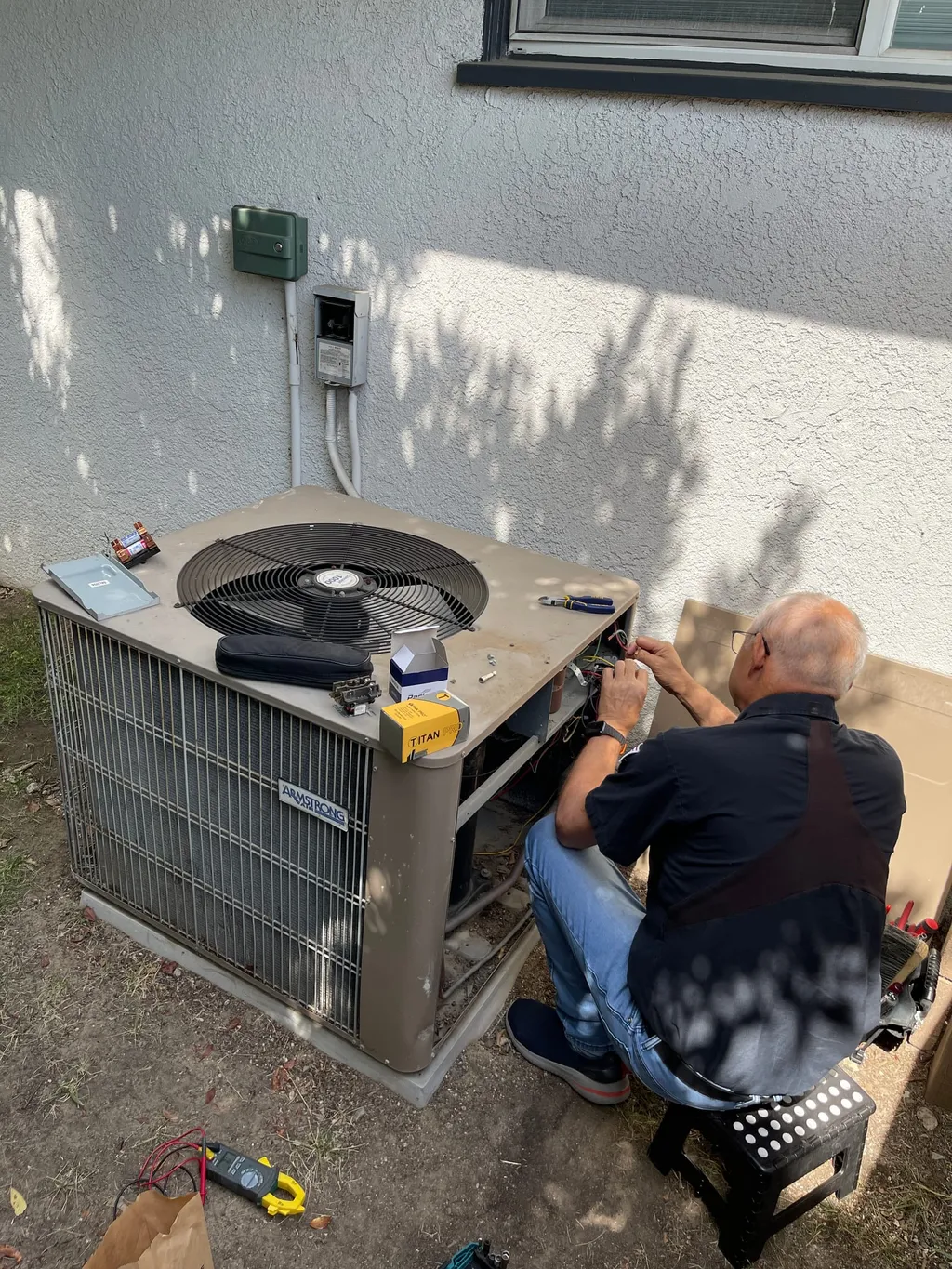
A VRF system can run beautifully for 15-20 years if it’s serviced correctly. Generic HVAC maintenance practices don’t apply — these systems have specific service requirements that, if skipped, lead to slow performance loss and eventual failure.
What VRF service includes
Real VRF service goes beyond what a residential AC maintenance visit covers:
- Refrigerant inventory verification against system design specs
- Outdoor unit board diagnostics including error code history pull
- Indoor head EEV (electronic expansion valve) operation check
- Communication network integrity between outdoor and all indoor units
- Linear pressure sensor calibration on outdoor unit
- Oil return cycle verification
- Defrost mode test if it’s a heat pump configuration
- Software firmware check against manufacturer recommended version
Most generic HVAC techs aren’t equipped to do half of this. The diagnostic software needed to pull error history and command tests is specific to the VRF brand.
What goes wrong over time
VRF systems fail differently than traditional AC:
- Slow refrigerant loss from microleak through brazed joints (years of degradation)
- EEV stepper motors that lose calibration and cause one zone to underperform
- Communication issues from corroded terminals in shared comm bus
- Outdoor unit boards that need firmware updates to fix manufacturer-known issues
When VRF performance drops, it’s rarely from one big failure. It’s a slow drift that owners notice over months, not days. Annual service catches it. More on VRF service and original VRF install considerations.