VRF system install: why the design phase matters most
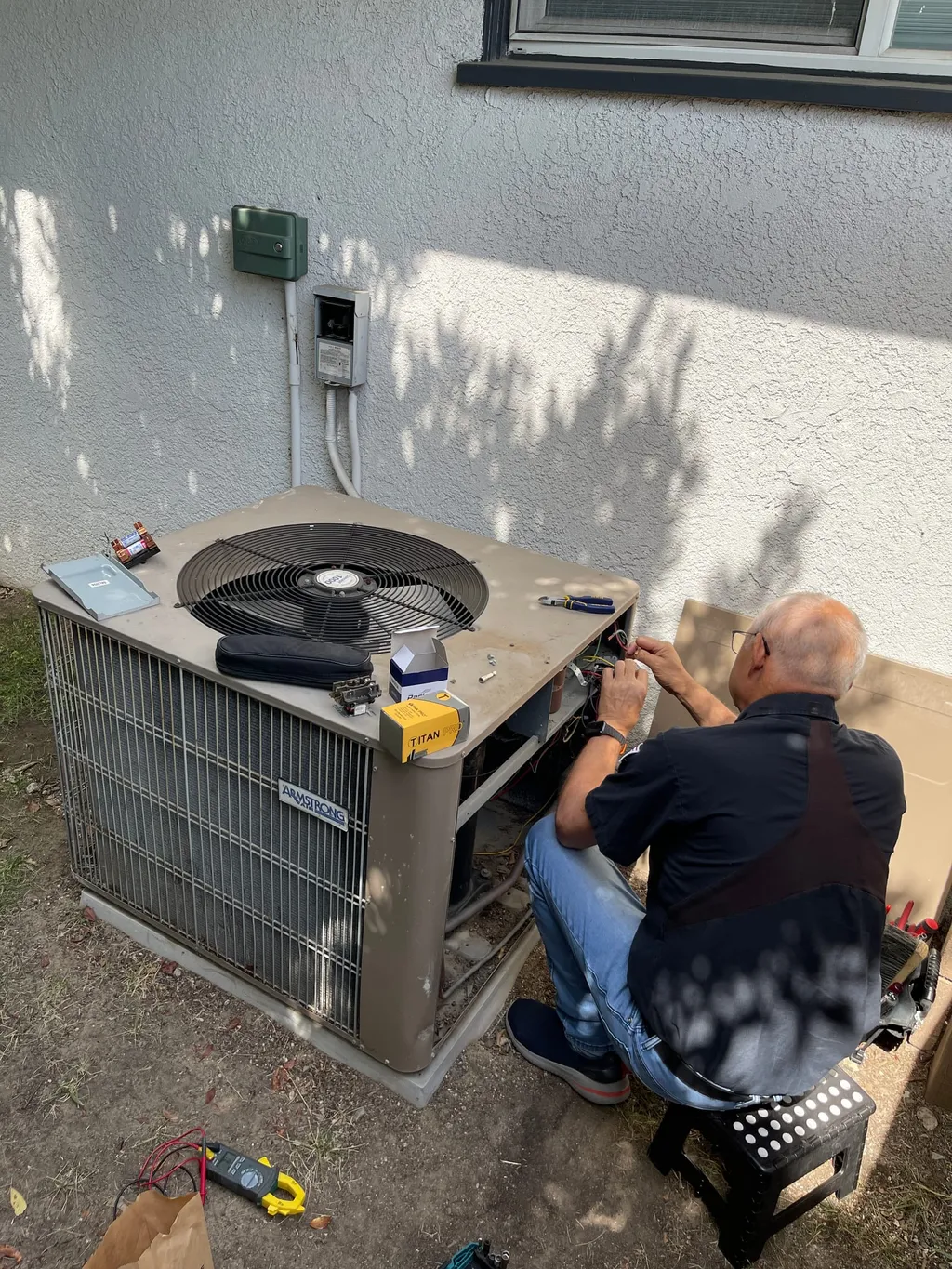
Variable Refrigerant Flow (VRF) systems are common in large homes, multi-tenant buildings, and commercial spaces where traditional HVAC can’t keep up. They’re powerful, efficient, and complex enough that a bad install can ruin them. The design phase makes or breaks the system.
What a real design phase looks like
Before any equipment goes in, a proper VRF install starts with:
- Building load calculation for each zone, not just total square footage
- Pipe routing layout from outdoor unit to each indoor head
- Pipe sizing per manufacturer specs (these are tight and unforgiving)
- Electrical load calculation and panel capacity check
- Refrigerant volume calculation to ensure system is within design limits
- Coordination with structural for outdoor unit support and wall penetrations
A VRF install where any of these gets shortcut will work poorly. We’ve inspected systems where the pipe runs exceeded manufacturer maximums, causing capacity loss and intermittent failures. Once installed, those problems are extremely expensive to fix.
What to expect on cost and timeline
A VRF install for a typical residence or small commercial:
- Design phase: 1-2 weeks including site visit
- Permitting: 2-4 weeks depending on jurisdiction
- Install: 1-3 weeks depending on complexity
- Commissioning: 1-2 days of system tuning and verification
- Cost: typically 2x what a comparable traditional system would run
The premium is real, and so are the benefits. For the right application, a VRF is the only system that can deliver the performance. For the wrong application, it’s overkill. More on VRF install and ongoing VRF service.