Rooftop AC unit install: what's different about commercial
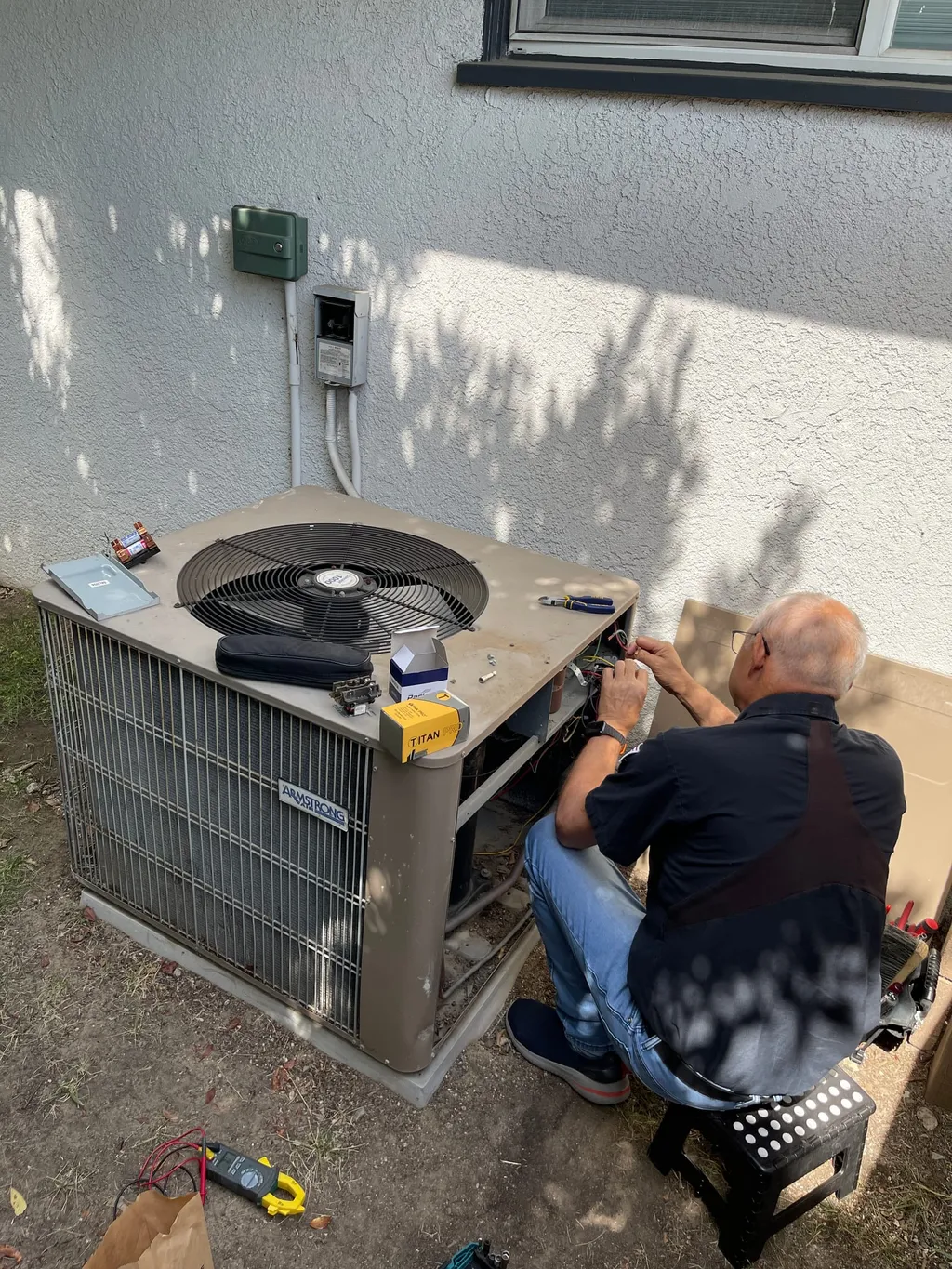
Rooftop AC units — typically called RTUs in the trade — are the workhorses of small commercial buildings. They’re not residential equipment scaled up. They’re a different kind of system with their own install considerations and failure modes.
What makes RTUs different
A rooftop package unit is a self-contained system: compressor, condenser, evaporator, and air handler all in one cabinet on the roof. Compared to a split residential system:
- All refrigerant lines are factory-charged and never opened in the field
- Larger duct connections directly into the building (or to plenum)
- Higher static pressure capability for longer duct runs
- Built for higher run times and duty cycles
- Roof curb support critical for weight distribution and weatherproofing
Sizing for an RTU follows commercial load calculation, which factors in occupancy, lighting load, equipment heat gain, and ventilation requirements that don’t apply in residential.
What to think about on install
For a small commercial space — restaurant, retail, light office — getting the RTU install right means:
- Proper curb design and roof attachment (often the biggest install variable)
- Adequate electrical service and disconnect placement
- Code-compliant gas piping if it’s a heat/cool unit
- Condensate drainage to a proper drain location
- Service clearance around the unit for future repairs
The install itself usually requires a crane lift on the roof, which adds cost but is unavoidable. Typical RTU install in Orange County runs 8,000-25,000 depending on tonnage and complexity. More on rooftop AC install and commercial coverage. For office or retail spaces we also handle HVAC repair when the existing RTU isn’t ready to replace yet.