Heat pump install: what changes vs a traditional AC
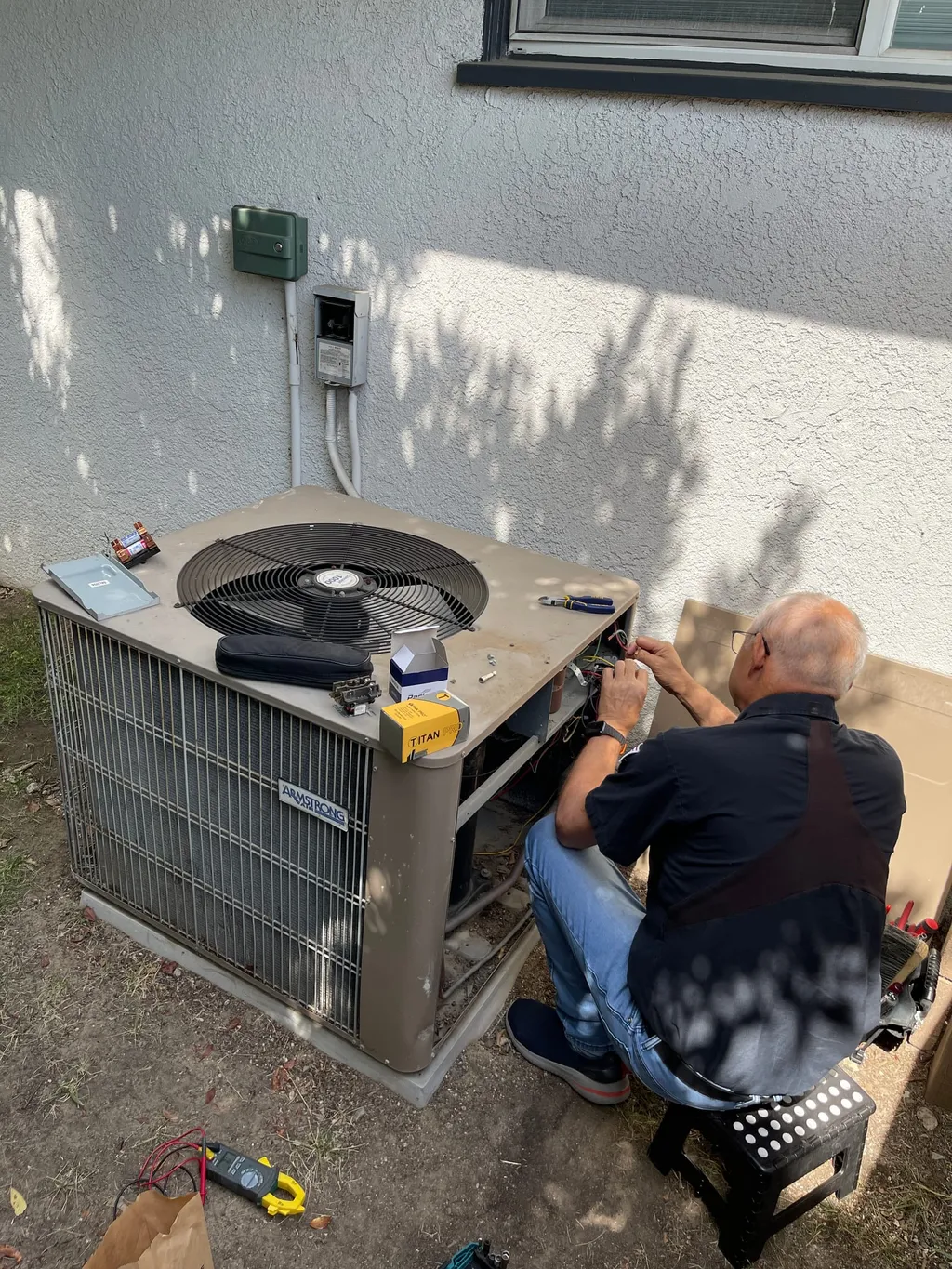
A heat pump install looks similar to a traditional AC install from the outside. The differences matter, though, and they affect what the installer needs to do right. Here’s what changes.
The technical differences
A heat pump is functionally an AC that can run in reverse — heating the house in winter by extracting heat from outdoor air. That means:
- Reversing valve in the outdoor unit (the part that switches between cooling and heating)
- Defrost cycle for cold mornings when the outdoor coil ices up
- Higher capacity outdoor unit since the indoor coil now needs to handle heating too
- Compatible thermostat with reversing valve control
- Electric backup heat strips in the air handler for very cold days
- Larger electrical service requirements compared to gas furnace + AC
The install process is similar to AC install but with more attention to the indoor air handler — sizing the heat strips, connecting the reversing valve control, configuring the defrost board.
Cost vs gas furnace + AC
A heat pump install typically runs 1,000-3,000 more than a comparable AC plus gas furnace combo. The savings come on the operating side over the life of the system if natural gas isn’t your primary heating fuel, or if you don’t have gas service at all.
For Orange County homes specifically, the climate is excellent for heat pumps — we rarely see overnight temps that trigger backup heat. Variable-speed models running in our mild winters are extremely efficient. More on heat pump install and comparison with AC install.