Brea homes built in the 80s: a heating story
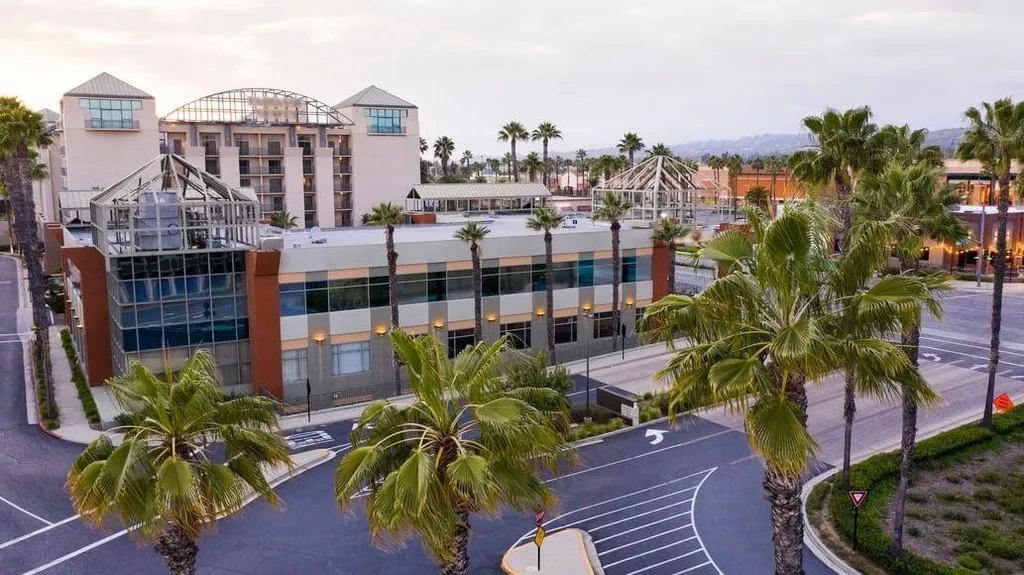
A big share of Brea’s housing stock went up between 1978 and 1992. The original furnaces in those homes are now 35-45 years old. We get calls every winter from Brea owners who say “it still works, but…” and that’s where the conversation gets interesting.
When old isn’t the same as broken
A natural gas furnace that’s been maintained can run 25-30 years. Past that, the failure points shift from worn parts to safety concerns:
- Heat exchangers develop hairline cracks that can leak carbon monoxide into the supply air
- Burner assemblies get coated and start producing soot or yellow flame
- Flame sensors fail more often, leading to short-cycling
A working furnace from 1985 isn’t necessarily unsafe, but it should be inspected with a combustion analyzer every year. We pull the burner cover, check the flue draft, measure CO output, and look at the heat exchanger with an inspection scope. About one in four old Brea furnaces we look at has a finding that justifies replacement.
What we tell our Brea customers
If your furnace is past 25, run the inspection yearly and start budgeting for replacement. The cost gap between a basic 80% AFUE furnace and a higher-efficiency 96% unit isn’t huge, and the gas savings in a winter-heavy season pay back the upgrade over the unit’s life. Read more on what we look at during furnace repair.
If the heat exchanger is cracked, we won’t sign off on continued use. That’s a hard line for safety. Brea winters aren’t long, but they’re cold enough at night that you need heat that works.